Fourth Sunday of Lent reflection
"Live as children of the light" (Eph 5:8)
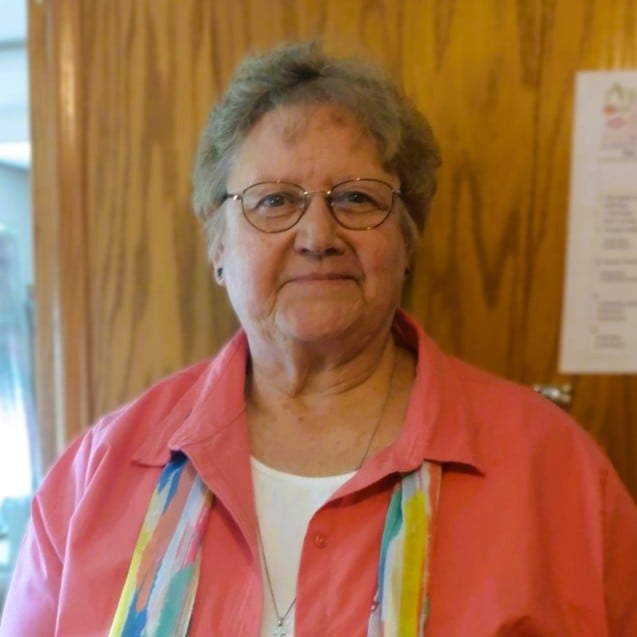
By Diana Rawlings, ASC
"Jesus said, 'For judgment I have come into this world, so that the blind will see and those who see will become blind.'" John 9:39
Death connected to gun violence and domestic violence exposes a national crisis that demands both policy action and moral clarity. On average 3,000 women die by gun in a domestic abuse situation ( Giffords Law Center to Prevent Gun Violence).When read alongside Jesus’ words, “For judgment I have come into this world, so that the blind will see and those who see will become blind” (John 9:39), the issue becomes more than a matter of legislation—it becomes a call to see what has long been hidden and to confront the systems that have failed to protect the vulnerable. Death linked to gun violence and domestic violence reflects a deeply interconnected public safety crisis. Both issues stem from patterns of power, control, and easy access to lethal weapons, and together they create conditions where moments of conflict can turn fatal. I saw the impact of gun violence on a woman survivor of domestic abuse at my previous work while at Wichita Women’s Initiative Network. Sandy, pregnant with her fourth child, stood in front of her children while protecting them from their father waving a 9mm automatic framed pistol. He aimed and shot, she fell limp out of fright not hit by a bullet. The police were on the scene, arrested and jailed him. Sandy and the children were safe but she miscarried her baby. Yes, Sandy had a restraining order. No, it was not enforced. Domestic violence often occurs out of public view, where victims face intimidation, coercion, and escalating danger. When a firearm is present, the risk of death increases dramatically. One way to correlate the Gospel reading in the context of both domestic and gun violence is:
Domestic violence often unfolds behind closed doors where I ‘become blind’ to the situation of my neighbor. May Lent 2026 give us grace to live as children of the Light. |
About Diana Rawlings, ASC
Sr. Diana Rawlings has been a vowed member of the Adorers of the Blood of Christ, U.S. Region for more than fifty years. She was Assistant Communication Director, Archdiocese, Omaha, Nebraska. She served her community in many capacities, including community vocation director, regional and local leadership, grant writer for Women’s Initiative Network and secondary education. Sister Diana is actively involved in New Ways Ministry outreach to lesbian sisters. She is currently the Board of Director Chair for the Precious Blood Spirituality Institute and serves as the U.S. Region representative to the national organization of Nuns Against Gun Violence.
Call to action
- Learn more about the dangerous connections between domestic violence and firearms and find a summary of current laws from Giffords Law Center to Prevent Gun Violence and Everytown for Gun Safety.
- With information from those sites, contact your state representatives to advocate for legislation that will keep guns out of the hands of domestic abusers, including dating partners.